
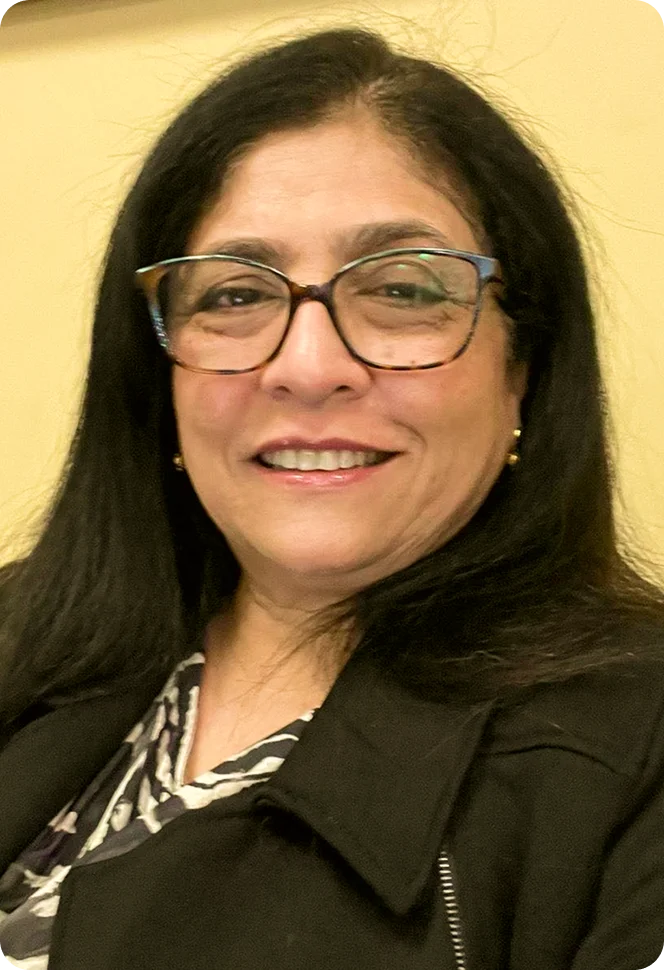
After more than 16 years in clinical research, Asma reflects on the operational lesson behind this conversation—and why it matters for the people responsible for participants, sites, data, and trial continuity.
The skill beneath every procedure
A CRC may begin by focusing on vital signs, ECGs, laboratory draws, visit schedules, and accurate completion. Those tasks matter, but participant trust and study continuity are often shaped by communication.
The participant experiences the trial through you
Coordinators explain procedures, answer questions, recognize hesitation, and guide people through unfamiliar decisions. Informed consent is therefore not just a signature—it is an ongoing communication process.
Communication beyond the participant
The role also requires different forms of communication with investigators, CRAs, sponsors, laboratories, vendors, and internal staff. Transparency and timely escalation build trust; silence creates operational friction.
A useful question after every visit
Ask whether the participant left more informed and supported than when they arrived. Exceptional coordination combines technical precision with human connection without compromising protocol compliance or documentation accuracy.
Experience becomes valuable when it helps the next professional recognize risk earlier, communicate more clearly, and carry responsibility more thoughtfully.
Continue the conversation
What has your own experience taught you about this topic? Share a question or perspective with the Syncreon Research Lounge community.
Share your perspective